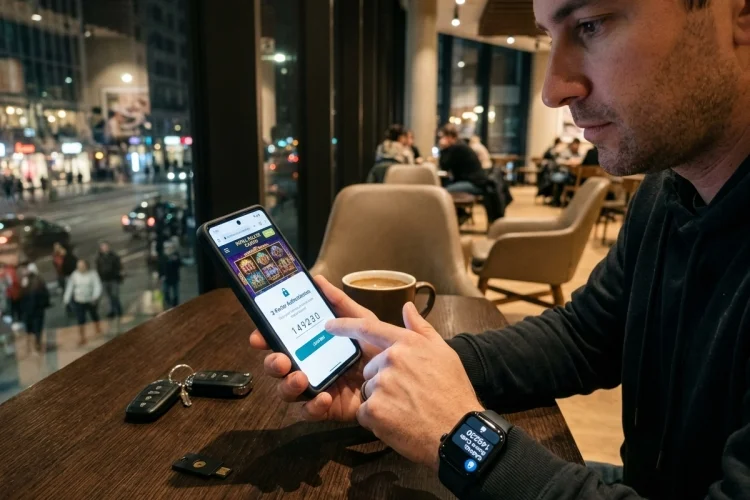

Mobile gambling usually begins with one practical decision: install a casino application or open the operator’s website in a browser.
Both options can provide slots, table games, live dealer rooms, promotions, payments, and account controls, but they deliver those services differently.
The mobile casino apps vs browser casinos debate is not only about appearance. The better format depends on your device, available storage, internet connection, privacy preferences, and how frequently you use the platform.
An app may provide quicker access and smoother navigation, while a browser casino removes the need to download software.
Neither option changes the mathematical rules of a game. House edges, paytables, and return percentages are determined by the game rather than whether it opens in an app or browser.
For new users, understanding these differences can prevent unnecessary downloads and make it easier to identify the official, licensed service.
How Mobile Casino Apps Work
A mobile casino app is installed on a smartphone or tablet. It may store interface elements and preferences on the device, which can make menus, account pages, and game lobbies feel more responsive.
Apps may also offer biometric login, push notifications, and navigation designed for a particular operating system. This can create a more polished experience for players who regularly use the same platform.
However, real-money gambling apps are not available in every market. Apple and Google require eligible apps to meet licensing, age, and geographic conditions in supported regions.
How Browser Casinos Work
A browser casino runs through Safari, Chrome, Firefox, Edge, or another mobile browser. Players visit the operator’s official website, sign in, and use the service without installing a separate program.
Modern sites commonly use responsive web design, allowing pages to adjust to different screen sizes and resolutions. This makes game windows, cashier pages, menus, and buttons easier to use on phones and tablets.
Browser access can be particularly useful for occasional users. It requires little dedicated storage and allows the same website to be opened across multiple compatible devices.
Speed and Playing Experience
A dedicated app can feel faster because some visual assets are already stored locally. Opening the lobby, moving between sections, and returning to recently used features may require less repeated loading.
A well-designed browser casino can still perform smoothly, especially on a modern phone with a stable connection. Browsers also store temporary data that can improve loading times during future visits.
Live dealer games require consistent internet access in either format because video must be streamed continuously. A simple slot usually places fewer demands on the device than a high-definition live blackjack or roulette table.
Storage, Updates, and Compatibility
Browser casinos use little dedicated storage beyond ordinary browser data. Updates happen on the operator’s servers, so the latest interface normally appears when the page is refreshed.
Apps occupy storage and may require regular updates. Older phones or operating systems can eventually become incompatible, while separate versions may be needed for Android and iOS.
Users should also review requested permissions before installing an app. Access to notifications or location may support legitimate functions, but unrelated permissions should be examined carefully.
Security and Licensing
An official-looking app does not replace proper licence checks. Players should confirm the operator’s legal name, authorised domain, licence status, privacy policy, withdrawal rules, and customer-support details.
Browser users must verify that they are visiting the correct website. Fake domains and imitation download pages can be used to collect passwords or payment information.
Regulators may publish searchable registers of licensed operators. The UK Gambling Commission, for example, provides business and domain information through its public register and establishes standards for regulated remote gambling systems.
Games, Payments, and Account Features
Most major games are available through both formats, including slots, roulette, blackjack, baccarat, video poker, and live dealer titles. Differences may appear when a provider has not optimized a game for a certain browser or operating system.
Balances, verification status, playing history, and account limits are generally linked to the account rather than one device. A player can therefore begin on a browser and later continue through the official app.
Payment methods and promotions can still vary by region or platform. Check the actual cashier options and promotional conditions instead of assuming the app automatically provides more benefits.
Which Option Should You Choose?
Frequent users may prefer an app for quick launching, biometric access, and streamlined navigation. Browser casinos may suit occasional players who want to save storage, avoid additional permissions, or switch easily between devices.
Testing the mobile website first is often practical. Check loading speed, game controls, payment pages, customer support, and responsible-gambling settings before deciding whether the application adds meaningful value.
Mobile casino apps and browser casinos provide similar core services, but their strengths differ. Apps focus on fast access, device integration, and smooth navigation, while browser platforms emphasize flexibility, automatic updates, and minimal storage use.
Choose according to your habits rather than promotional claims. Confirm that the operator is licensed for your location, protect your login details, and read withdrawal and bonus conditions carefully.
Use spending limits, session reminders, time-outs, or self-exclusion whenever necessary. Compare both formats on a regulated platform and select the option that provides the clearest, safest, and most manageable experience.